Some questions are avoided because they are difficult.
That is precisely why their history should be documented.
THE RECORD
IS BEING OPENED.
History · Law · Policy · Commissions · Courts · Constitutional change
A source-first archive of the history, law, policy, commissions, judgments and constitutional developments concerning reservation in India.
OF INDIAArticle 340 and equality
REPORTSecond Backward Classes Commission
PUBLIC DISCOURSE · RECENTLY REVIEWED
Latest Updates
appearance
Primary sourceVerified
BJP Tries To Derail RHA, Pushes For Quota In Private Places Through Harsh Dubey | Ajeet Bharti
A video published on ShortCuts by Ajeet Bharti's official YouTube channel, retained here as a primary-source public-discourse appearance.
appearance
Primary sourceVerified
Nadda Meets Harsh, Demands Quota In Pvt Institutions | Subhash Chandra Case | Ajeet Bharti LIVE
A video published on Ajeet Bharti's official YouTube channel, retained here as a primary-source public-discourse appearance.
statement
Primary sourceVerified
Anuradha Tiwari calls for direct government dialogue with RHA Reforms
Anuradha Tiwari draws attention to what she describes as a significant chronology: RHA Reforms presented its demands in Delhi on 25 August, those demands circulated widely on 26 August, and a government communication followed on 27 August containing points she says closely mirrored the movement’s charter. Referring to Harsh Dubey’s released letter of demands, she argues that reproducing similar demands on paper is not a substitute for direct engagement. Her message to the government is that it should open talks with the movement directly, otherwise the agitation will continue.
Attributed claimappearance
Primary sourceVerified
खुलेआम धमकियाँ और Double Standards? 🤬 | Ajeet Bharti Exposes Hate Speech | SC/ST Act Reality
A video published on ShortCuts by Ajeet Bharti's official YouTube channel, retained here as a primary-source public-discourse appearance.
Constituent Assembly
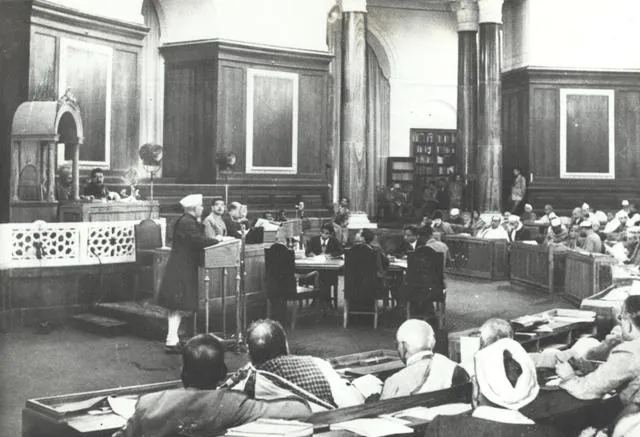
The Constituent Assembly of India first met on 9 December 1946. The meeting began the constitution-making process; it did not itself create a reservation quota. The later Constitution supplied the equality provisions and Article 340 mechanism relevant to backward-classes policy.
Kaka Kalelkar Commission
Department of Social Justice & Empowerment, Government of IndiaKaka Kalelkar Commission29 January 1953 — 30 March 1955
The First Backward Classes Commission, chaired by Kaka Kalelkar, was appointed on 29 January 1953 under Article 340 and submitted its report on 30 March 1955. It did not create today’s Central 27% OBC quota.
Mandal Commission
Department of Social Justice & Empowerment, Government of IndiaMandal Commission1 January 1979
The Government of India constituted the Second Backward Classes Commission in 1979 under Article 340, with B. P. Mandal as chair. Creating the commission was an institutional step distinct from its report, submitted in 1980, and from implementation in 1990.
Mandal Commission Report
Department of Social Justice & Empowerment, Government of IndiaMandal Commission Report31 December 1980
The Second Backward Classes Commission submitted the Mandal Commission Report on 31 December 1980. The report covered identification, evidence and multiple policy recommendations; submission did not itself implement those recommendations.
13 August 1990 Office Memorandum
Department of Personnel & Training; NCBC reproduction13 August 1990 Office Memorandum13 August 1990
DoPT O.M. No. 36012/31/90-Estt.(SCT) provided for 27% reservation of vacancies in Union civil posts and services for socially and educationally backward classes in direct recruitment. Its effective-date language referred to 7 August 1990, with a qualification for recruitment already initiated.
Indra Sawhney
Supreme Court of IndiaIndra Sawhney16 November 1992
On 16 November 1992, a nine-judge Constitution Bench decided Indra Sawhney. Relevant holdings include creamy-layer exclusion in the OBC context, an ordinary 50% ceiling principle, and Article 16(4) applying to initial appointment rather than promotion.
102nd Constitutional Amendment
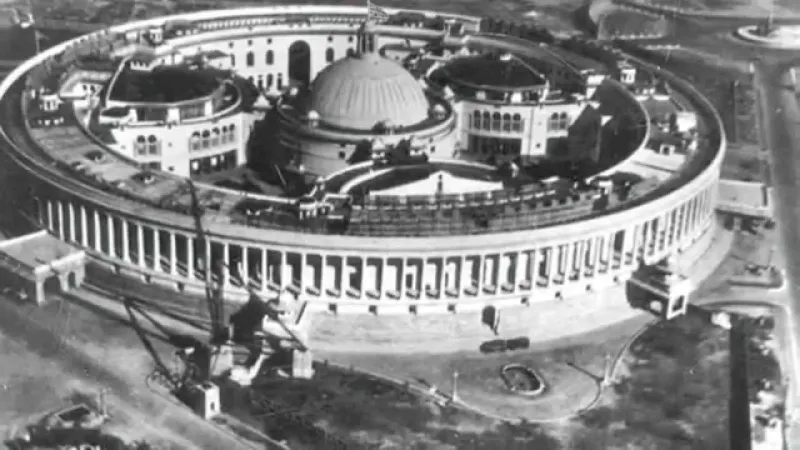
The Constitution (102nd Amendment) Act received presidential assent on 11 August 2018. It inserted Articles 338B and 342A and established a constitutional framework concerning the NCBC. It is not the EWS amendment.
The record continues
Reservation policy, judgments, public data and constitutional developments continue to evolve.
ARCHIVE
IN PROGRESS
IN PROGRESS
FROM THE EVIDENCE ARCHIVE
Every document. Every date. Every source.
Seven independently useful records trace a focused path from constitutional history through commissions, government action, judicial review and later constitutional change.
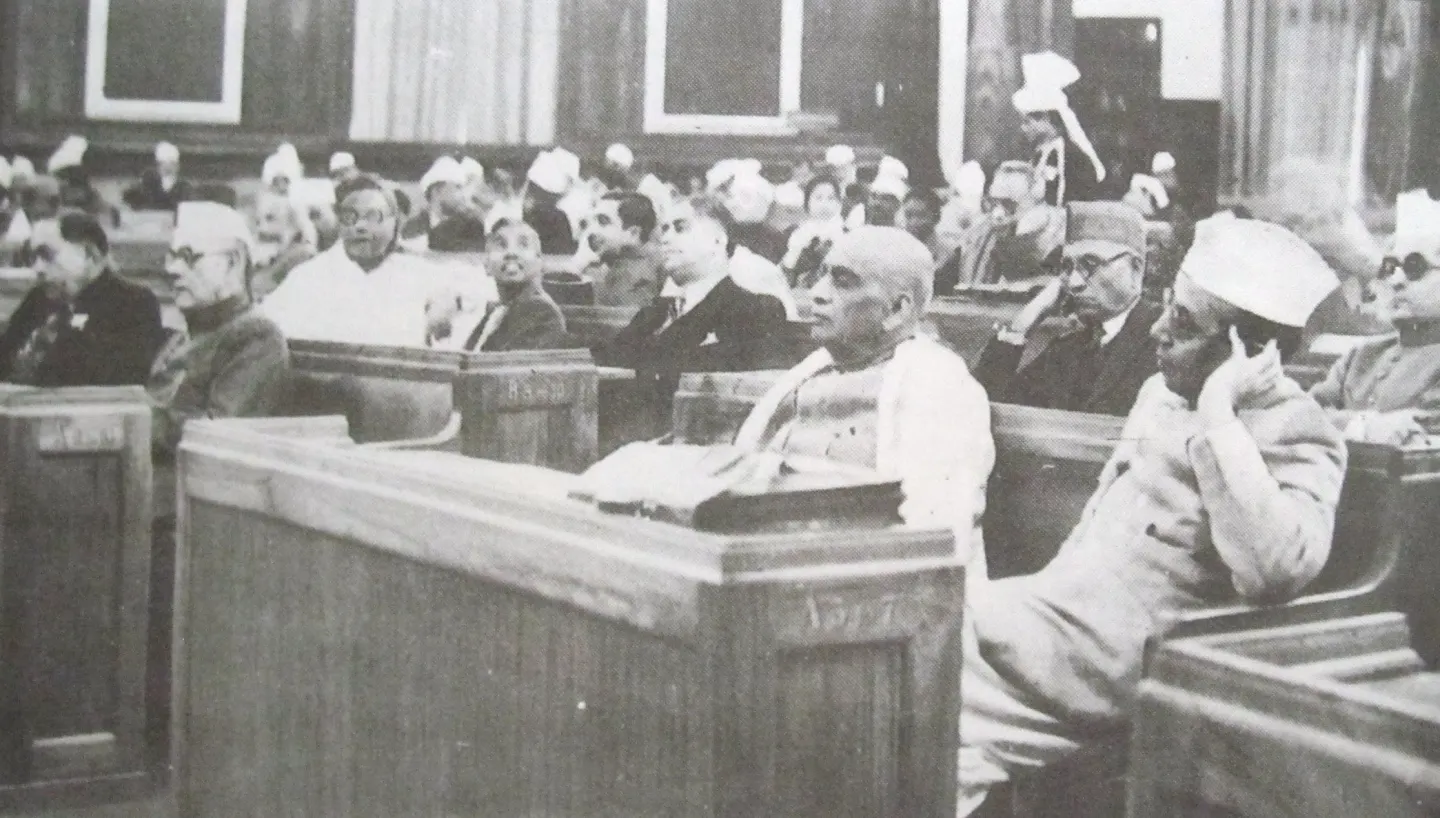
official debate transcriptConstituent Assembly9 December 1946
constitutional history
Constituent Assembly
The Constituent Assembly of India first met on 9 December 1946. The meeting began the constitution-making process; it did not itself create a reservation quota. The later Constitution supplied the equality provisions and Article 340 mechanism relevant to backward-classes policy.
official commission report PDFKaka Kalelkar Commission29 January 1953 — 30 March 1955
commission
Kaka Kalelkar Commission
The First Backward Classes Commission, chaired by Kaka Kalelkar, was appointed on 29 January 1953 under Article 340 and submitted its report on 30 March 1955. It did not create today’s Central 27% OBC quota.
official commission-report archiveMandal Commission1 January 1979
commission
Mandal Commission
The Government of India constituted the Second Backward Classes Commission in 1979 under Article 340, with B. P. Mandal as chair. Creating the commission was an institutional step distinct from its report, submitted in 1980, and from implementation in 1990.
official report scanMandal Commission Report31 December 1980
commission report
Mandal Commission Report
The Second Backward Classes Commission submitted the Mandal Commission Report on 31 December 1980. The report covered identification, evidence and multiple policy recommendations; submission did not itself implement those recommendations.
official office memorandum reproduction13 August 1990 Office Memorandum13 August 1990
office memorandum
13 August 1990 Office Memorandum
DoPT O.M. No. 36012/31/90-Estt.(SCT) provided for 27% reservation of vacancies in Union civil posts and services for socially and educationally backward classes in direct recruitment. Its effective-date language referred to 7 August 1990, with a qualification for recruitment already initiated.
official Supreme Court leading-case recordIndra Sawhney16 November 1992
judgment
Indra Sawhney
On 16 November 1992, a nine-judge Constitution Bench decided Indra Sawhney. Relevant holdings include creamy-layer exclusion in the OBC context, an ordinary 50% ceiling principle, and Article 16(4) applying to initial appointment rather than promotion.
official Gazette text102nd Constitutional Amendment11 August 2018
constitutional amendment
102nd Constitutional Amendment
The Constitution (102nd Amendment) Act received presidential assent on 11 August 2018. It inserted Articles 338B and 342A and established a constitutional framework concerning the NCBC. It is not the EWS amendment.
ARCHIVE IN PREPARATIONDOCUMENTING · CONTEXTUALISING
PRESERVING · QUESTIONINGfor the record.
PRESERVING · QUESTIONINGfor the record.
A WORK IN PROGRESS. OPEN TO ALL.
These seven records are the opening indexed archive. New material will be added only as sources and editorial review allow.
GET EARLY ACCESS
Be notified as the archive opens further.
hello@reservationreforms.blog →